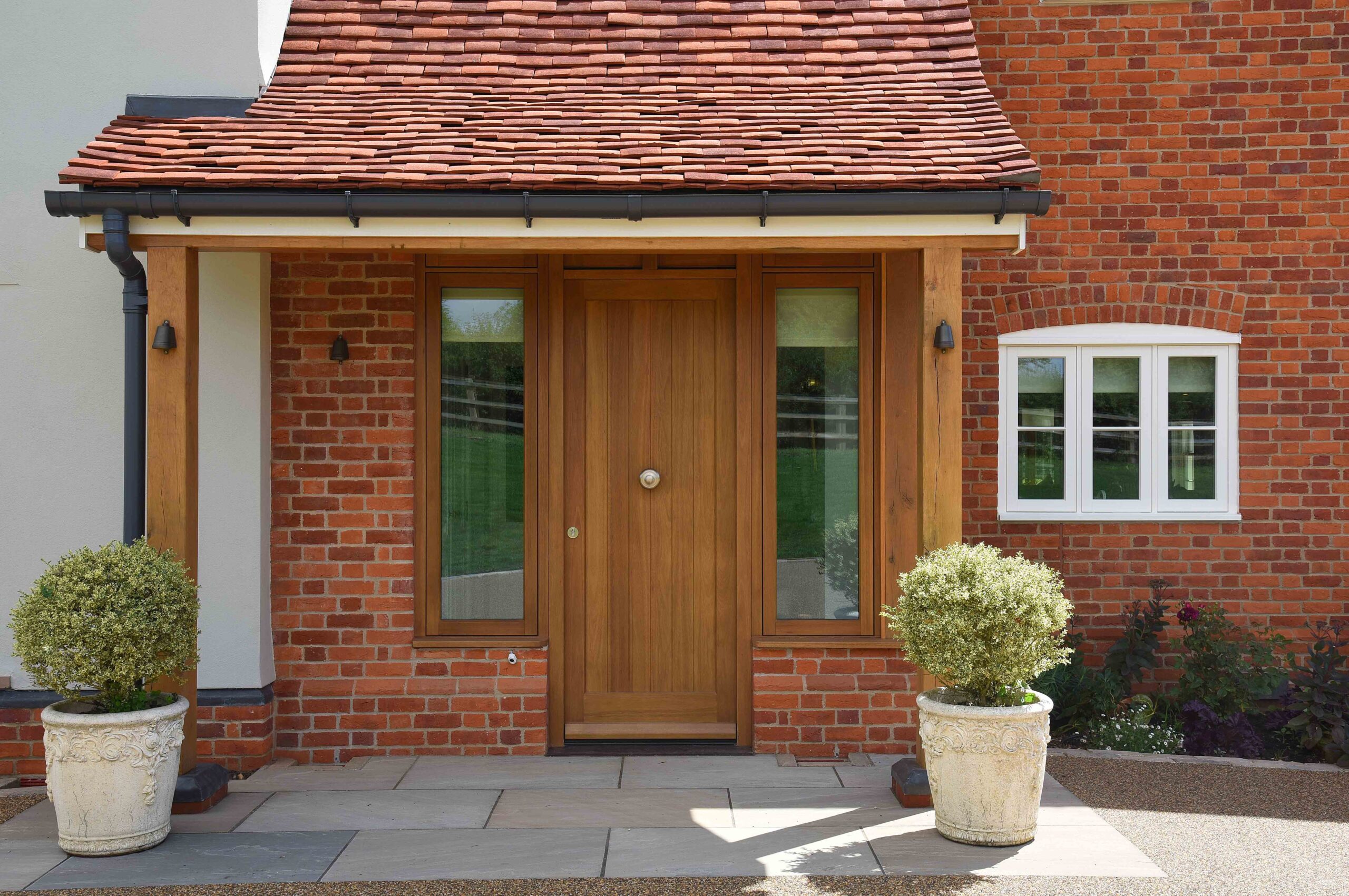
The Next Big Thing In The Residential Door Installation Industry
The Comprehensive Guide to Residential Door Installation
The installation of residential doors is a vital element of home enhancement that not just improves the aesthetic appeal of a home however also increases energy performance, security, and personal privacy. This post will dive into the different kinds of doors, the installation process, and important ideas for ensuring a successful install.
Types of Residential Doors
Before diving into the installation process, it's crucial to understand the various types of residential doors available. www.windowsanddoors-r-us.co.uk provides distinct benefits and styles matched to numerous home styles.
Door Type
Description
Pros
Cons
Wooden Doors
Made from solid wood or engineered wood
Visual appeal, outstanding insulation
Higher cost, may warp or swell
Steel Doors
Produced from steel frames with insulation
Toughness, high security
Can be dented, bad insulation
Fiberglass Doors
Composite products mimicking wood or steel
Low maintenance, excellent insulation
Can be expensive
Glass Doors
Frequently sliding or French doors made from glass panels
Natural light, modern aesthetic
Less privacy, can be fragile
Aluminum Doors
Lightweight and rust-resistant metal doors
Rust resistance, low upkeep
Less insulation, damage quickly
Advantages of Installing New Doors
Buying new door installations comes with a wealth of advantages. Below are some essential advantages property owners can expect:
- Increased Security: Upgrading to modern doors with improved locking mechanisms can substantially enhance the security of the home.
- Energy Efficiency: Well-insulated doors prevent drafts and assist preserve indoor temperatures, resulting in minimized heating & cooling costs.
- Curb Appeal: New doors can significantly raise the exterior visual of a home, making it more appealing to possible buyers.
- Noise Reduction: Upgrading to solid doors can assist in noise decrease, supplying a quieter home environment.
- Enhanced Functionality: New doors might offer better functionality, from enhanced hardware to simple operations like sliding or folding.
Tools and Materials Needed for Installation
Before beginning the installation process, collect the necessary tools and materials. Having everything ready will simplify the task and reduce any potential aggravations.
Essential Tools
Tool
Function
Measuring Tape
To determine door measurements precisely
Level
To make sure the door is hung directly
Screwdriver
For securing hinges and hardware
Hammer
To drive in nails as needed
Power Drill
For drilling holes and driving screws
Crowbar
To remove old doors safely
Shims
To change the door frame as required
Safety Glasses
To protect eyes during installation
Materials Needed
Product
Function
New Door
The primary element being installed
Hinges
To attach the door to the frame
Door Lockset
For security and performance
Builder's Foam or Caulk
To seal gaps and increase energy efficiency
Wood for Shims
For modifications and leveling
The Step-by-Step Door Installation Process
Now that you have picked your door type and gathered the needed tools and materials, follow this guide for a successful installation.
Action 1: Remove the Old Door
- Utilize a lever to carefully remove any molding or cut around the old door.
- Loosen the hinges using a screwdriver and eliminate the door from the frame.
Action 2: Prepare the Door Frame
- Examine the door frame for any damage. If there is rot or decay, it might require to be repaired or changed.
- Clean out any debris to guarantee a smooth suitable for the new door.
Action 3: Measure and Cut (if essential)
- Measure the height and width of the new door to guarantee it fits the frame.
- If required, trim the new door to precisely match the frame dimensions.
Step 4: Install Hinges
- Connect the hinges to the door first. Guarantee they are aligned correctly and screw them in firmly.
- Position the door back in the frame. Use shims to adjust the door's positioning to ensure it swings properly.
Step 5: Secure the Door
- When the door is level, secure the hinges to the door frame using screws.
- If the door has a knob or manage, drill the hole for the lockset according to the producer's instructions and install it.
Action 6: Finish the Installation
- Close the door to check if it swings freely without rubbing versus the frame. Adjust the hinges or shims as required.
- When pleased with the functionality, apply caulk around the door frame to enhance energy performance.
FAQs About Residential Door Installation
Just how much does it cost to install a new door?
- Expenses can vary extensively based upon the kind of door and installation intricacy, usually varying from ₤ 200 to ₤ 2,000, consisting of materials and labor.
Can I set up a door myself?
- Yes, with the right tools, materials, and guidance, many property owners choose to install doors themselves to save on labor expenses.
What should I do if the new door doesn't fit?
- You may require to trim the door or adjust the frame. Constantly determine two times before cutting or changing.
How can I ensure my door is energy efficient?
- Look for doors with high energy scores, ensure correct sealing during installation, and think about including weather condition removing.
What maintenance do I require to do after installation?
- Routinely examine and tighten up hinges, clean the door, and reseal around the frame as required to keep energy effectiveness.
Setting up a residential door is an impactful home improvement task that provides many take advantage of increased security to aesthetic improvement. Whether a homeowner decides to deal with the installation themselves or hire a professional, understanding the process, tools needed, and types of doors can cause a successful outcome. By following the steps described in this guide, even those new to DIY projects can achieve a magnificently set up door that will last for years to come.